Understanding Your Current Energy Costs
With energy bills continuing to concern UK households, achieving a 20% reduction in your heating expenses is an ambitious but realistic goal. The first step is understanding exactly what you're paying. Check your latest energy bill and note your current annual heating spend. Most UK households spend between £1,200 and £2,000 annually on heating, so a 20% saving could put £240 to £400 back in your pocket each year.
Keep your bills for the last 12 months to track seasonal variations. Winter months typically cost significantly more than summer, so you'll need baseline data to measure your savings accurately. This information also becomes invaluable when comparing new tariffs or supplier quotes.
Improve Your Home Insulation
Insulation is your most effective weapon against heat loss. Approximately 25% of heat escapes through your roof, making loft insulation one of the quickest wins available. If your loft insulation measures less than 270mm, topping it up to modern standards can reduce heating bills by up to 15% alone.
Consider these insulation priorities:
- Loft insulation: The cheapest option, costing around £300-£500 for most properties
- Wall cavity insulation: If your home has cavity walls, filling them costs £500-£1,500 but saves roughly 5% on bills
- Pipe insulation: Cheap foam jackets around pipes prevent heat loss for just £20-£50
- Door and window seals: Draught-proofing costs under £100 and prevents warm air escaping
Don't overlook simple solutions like thermal curtains or secondary glazing. These budget-friendly options trap warm air and prevent heat loss through windows.
Install a Smart Thermostat
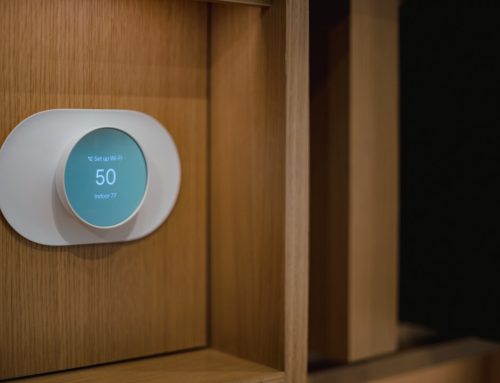
A programmable or smart thermostat can reduce heating bills by 10-15% through intelligent temperature management. Smart thermostats like Nest, Hive, or Ecobee learn your patterns and adjust heating automatically, eliminating wasteful heating when you're away or asleep.
Key benefits include:
- Remote control via smartphone apps
- Scheduling heating for specific times
- Geofencing that detects when you leave home
- Detailed energy usage reports
- Integration with other smart home devices
Most smart thermostats cost £150-£300, but the energy savings typically pay for themselves within two years. Many suppliers offer grants or discounts, so check with your provider before purchasing.
Service Your Boiler Regularly
An inefficient boiler wastes fuel and money. Annual servicing ensures your heating system operates at peak efficiency. A poorly maintained boiler can lose 5-10% efficiency annually, directly translating to higher bills.
Schedule a Gas Safe registered engineer to service your boiler before winter. Servicing costs around £150-£200 but prevents expensive breakdowns and maintains warranty coverage. During servicing, engineers clean burners, check safety controls, and identify potential issues.
If your boiler is over 15 years old, replacement might be more cost-effective than continual servicing. Modern condensing boilers achieve 90% efficiency compared to older models at 75-80%. The Boiler Upgrade Scheme currently provides grants up to £5,000 towards replacement costs.
Adjust Your Thermostat Temperature
This simple step requires no investment. Reducing your thermostat by just 1°C can cut heating bills by approximately 3%. Most people maintain homes at 21°C, but lowering to 19-20°C is still comfortable whilst significantly reducing consumption.
Implement these temperature strategies:
- Set daytime temperature to 20°C when occupied
- Reduce to 15-17°C overnight or when away
- Use room thermostats to heat only occupied spaces
- Never leave heating running in unoccupied rooms
Zone heating through individual radiator controls helps. Turning down radiators in spare rooms or less-used spaces prevents wasting heat.
Bleed Your Radiators
Air trapped in radiators prevents hot water circulating properly, reducing heating efficiency. Bleeding radiators is free and takes minutes. You'll need only a radiator bleed key, costing under £5.
Perform this task before winter heating begins. Cold spots on radiators indicate air trapped inside. Once bled, radiators heat evenly and efficiently, improving your system's overall performance.
Switch to a Better Energy Tariff
Shopping around for better rates can deliver substantial savings. Energy prices fluctuate, and your current tariff might no longer represent good value. Ofgem, the UK's energy regulator, estimates households could save £100+ annually by switching suppliers.
Compare tariffs using independent sites like Comparison UK, Which?, or MoneySuperMarket. Check both unit rates and standing charges. Fixed-rate tariffs offer bill predictability, whilst variable rates fluctuate with market prices.
When comparing, ensure you're examining heating fuel specifically. Some suppliers offer better rates for dual fuel customers (gas and electricity), whilst others excel on heating alone. Always read the full terms, noting contract lengths and exit fees.
Reduce Hot Water Usage
Heating water accounts for a substantial portion of energy bills. Simple behaviour changes can reduce hot water heating by 10-20%:
- Take shorter showers instead of baths
- Install low-flow showerheads
- Wash clothes in cold water where possible
- Fix leaking taps promptly
- Insulate your hot water cylinder
A lagging jacket around your hot water tank costs £15-£30 and reduces heat loss by up to 75%, saving around £20 annually.
Consider Government Support Schemes
The UK government offers various schemes to reduce heating costs. The Energy Company Obligation (ECO) requires large energy suppliers to fund efficiency improvements for eligible households, potentially covering insulation costs entirely.
Check eligibility for the Winter Fuel Payment if you're aged 66+ and qualify based on income. This annual payment helps cover winter heating costs.
Start Your Saving Journey Today
Achieving a 20% heating bill reduction combines multiple strategies. Insulation improvements provide long-term savings, whilst thermostat adjustments and supplier switching offer immediate benefits. Most importantly, start now. Small changes compound, and winter approaches quickly.
Review your current bill today, audit your home's insulation, and compare new energy tariffs this week. Calculate potential savings using online calculators, then implement changes systematically. Within months, you'll notice substantial reductions in your heating expenses. Don't let another winter pass paying inflated bills—take control of your energy costs today and join thousands of UK households enjoying lower bills through simple, practical changes.