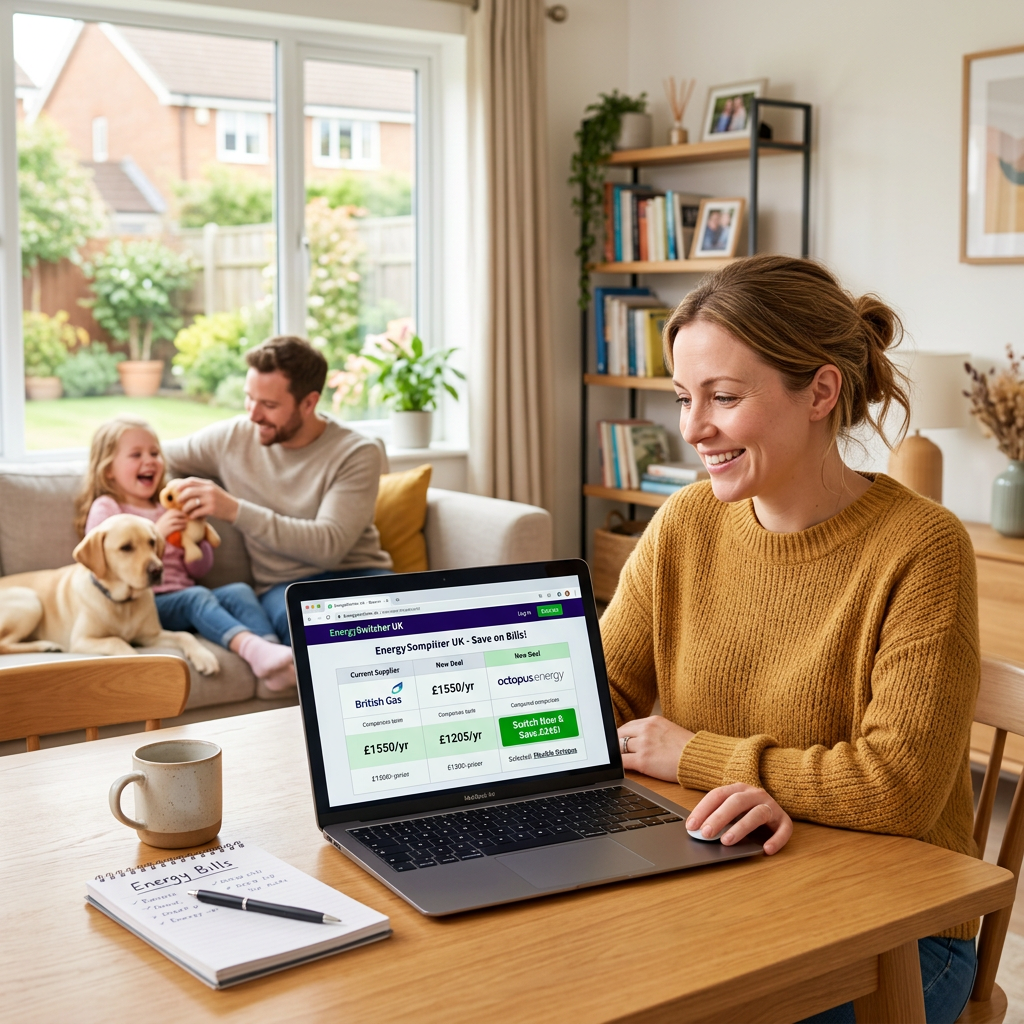
Open any energy comparison site in April 2026 and you will see cashback offers splashed across the results — £50 here, £75 there, occasionally £100 for switching. It looks compelling. But cashback is one of the most misunderstood elements of energy switching, and getting it wrong costs people money every year. Here is the radar view on what is actually worth taking.
Where the Cashback Money Comes From
There are two sources. First, comparison site referral fees: suppliers pay comparison sites £30-£80 for every customer they send. When a site offers you £50 cashback, they are sharing their commission — not additional money from the supplier. Second, supplier sign-up incentives: genuine promotions where the supplier funds the cashback directly as a customer acquisition cost. The latter is rarer and usually tied to specific offers rather than being a permanent feature. If you want to check the latest energy rates, it only takes a few minutes.
The Only Number That Actually Matters
Here is the calculation most people skip. Take two tariffs:
- Tariff A: 23.5p/kWh electricity, no cashback
- Tariff B: 24.8p/kWh electricity, £75 cashback
On 2,700 kWh/year: Tariff A costs £634.50. Tariff B costs £669.60 minus £75 cashback = £594.60 effective. Tariff B wins by £40. But push the electricity rate to 25.5p/kWh and even £75 cashback does not recover the difference over 12 months. Always do the full annual cost calculation with your actual usage figures before deciding. You can also energy rate FAQs to see what's available.
Cashback Timing and Reliability
Most cashback is paid 30-90 days after your switch completes, once your account is confirmed active. Check the terms carefully:
- Is cashback paid by the comparison site or the supplier? (Site-paid is generally more reliable)
- What happens if you switch away early? (Some cashback is clawed back if you leave within 3-6 months)
- Is there a direct debit requirement? (Missing a payment can void cashback eligibility)
The Best Value Offers in 2026 That Are Not Cashback
Some of the most valuable deals available right now are not marketed as cashback at all:
- Intelligent Octopus Go: 7p/kWh overnight for EV owners — worth £500+/year for a typical EV driver vs the standard cap rate
- Smart meter incentives: Several suppliers offer £30-£50 for agreeing to a smart meter installation
- V2G trial payments: £100-£200 for EV owners joining vehicle-to-grid trials
These deliver more genuine value than a standard cashback deal and have no strings attached to unit rates. Ready to cut your energy costs? Track the best deals with Energy Rate Radar.